What Is the NMFTA Packaging Program?
Poor packaging is one of the most persistent and costly problems in less-than-truckload (LTL) freight. It drives damage claims, wasted trailer space, and misclassified shipments across the network. Most of these losses are preventable.
As the organization behind the National Motor Freight Classification NMFC, National Motor Freight Traffic Association® (NMFTA)® sits at the intersection of carrier requirements, shipper practices, and industry standards. The Packaging Program formalizes that role, bringing structure, data, and expertise to a problem the industry has absorbed for decades.
Three Ways the Program Works
Most freight damage is decided before the shipment leaves the dock. NMFTA helps shippers and carriers build packaging that survives the LTL network, protects density, and classifies correctly
Voice of LTL
Documenting the top systemic
packaging failures across LTL,
publishing best practices, and creating a structured channel for feedback from carriers, shippers, and dock operations.
Packaging Intelligence
Aggregating field data into actionable categories that inform standards development, then translating those insights into NMFC alignment opportunities and published industry guidance.
Advisory Services
Fee-based packaging consulting for
shippers and carriers, scoped around the client’s own claims history, freight profile, and packaging specifications. NMFTA assesses and recommends.
You act.
Why LTL is Uniquely Hard on Packaging
Most packaging decisions are made far from the dock. NMFTA documents the forces freight endures so the people who specify packaging can design for them.
NMFTA’s role: make packaging performance measurable, defensible, and improvable across the network.
Multiple handoffs. LTL freight changes hands four to six times across hub terminals, absorbing shock, vibration, and forklift handling at every transfer.
Shared trailers. Freight rides alongside other shippers’ goods, so it must withstand shifting loads, braking forces, and contact with adjacent freight and dunnage.
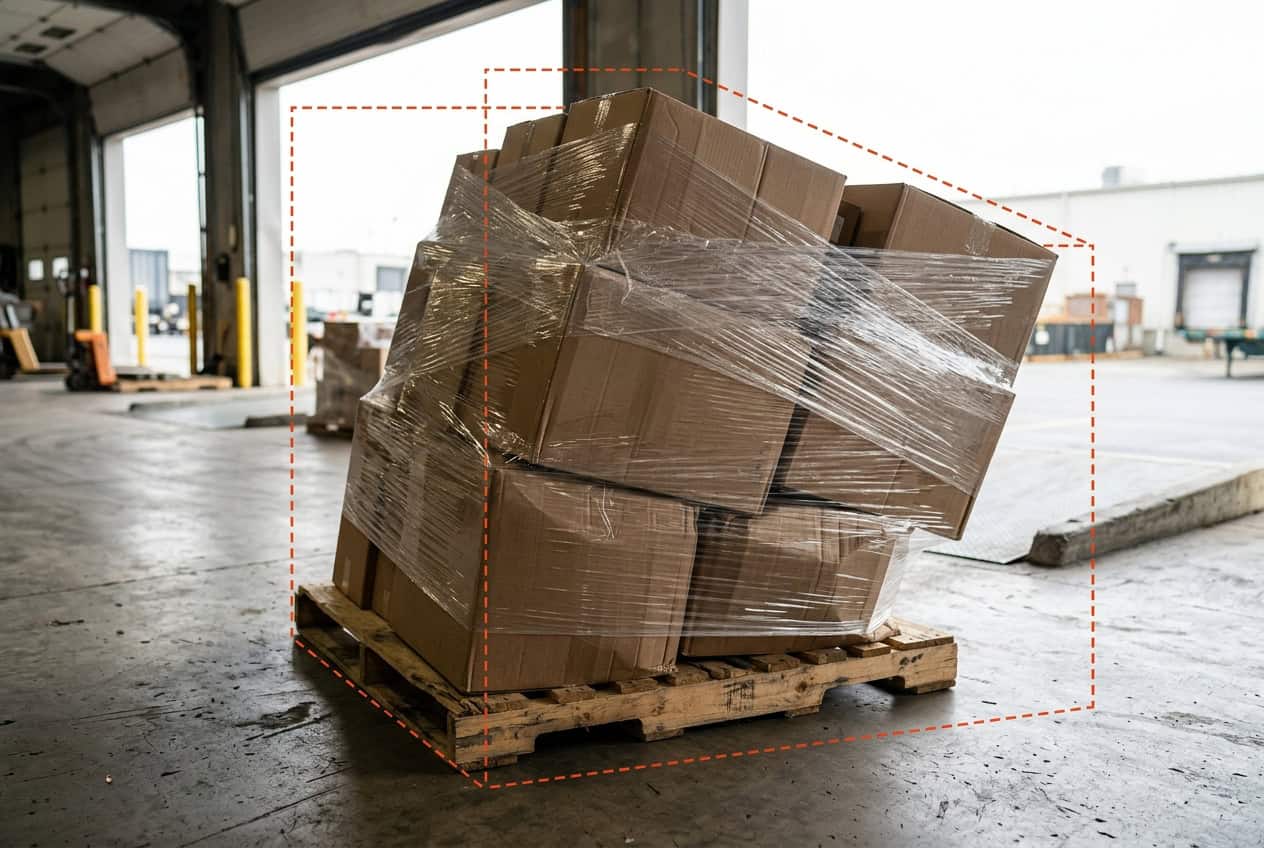
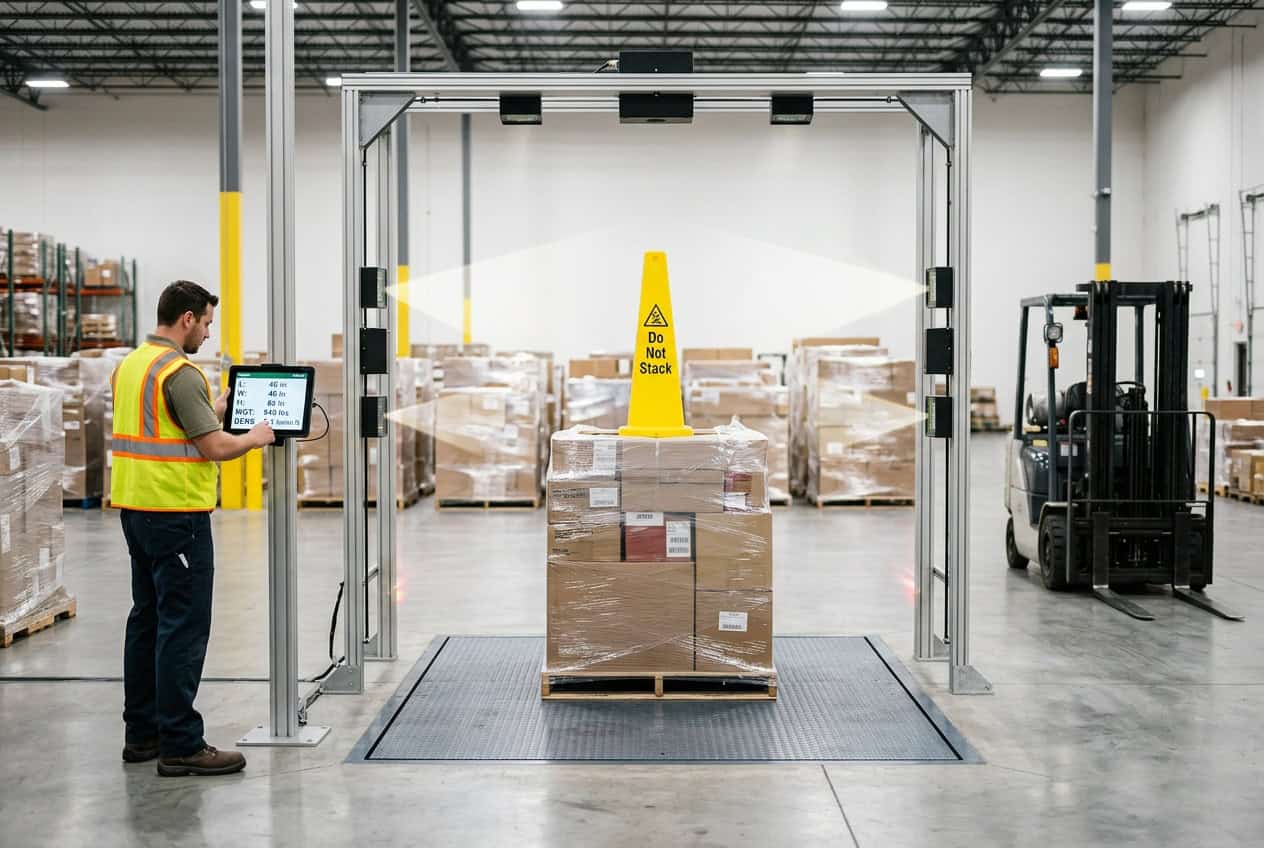
Density drives class. The NMFC measures freight at its extreme dimensions, so every pallet, crate, and inch of void space adds to the cube and can raise the class.
New
Packaging Advisory Services
Fee-based consulting that starts with your claims history, freight profile, and packaging specs, and ends with written, prioritized recommendations for density and damage reduction.

Packaging Education
Learn With the Freight Standards Academy
The Academy’s LTL Packaging Education program connects accredited packaging departments with NMFTA-authored resources, guest lectures from subject matter experts, and a pathway to hands-on ClassIT+ access.
Voice of LTL
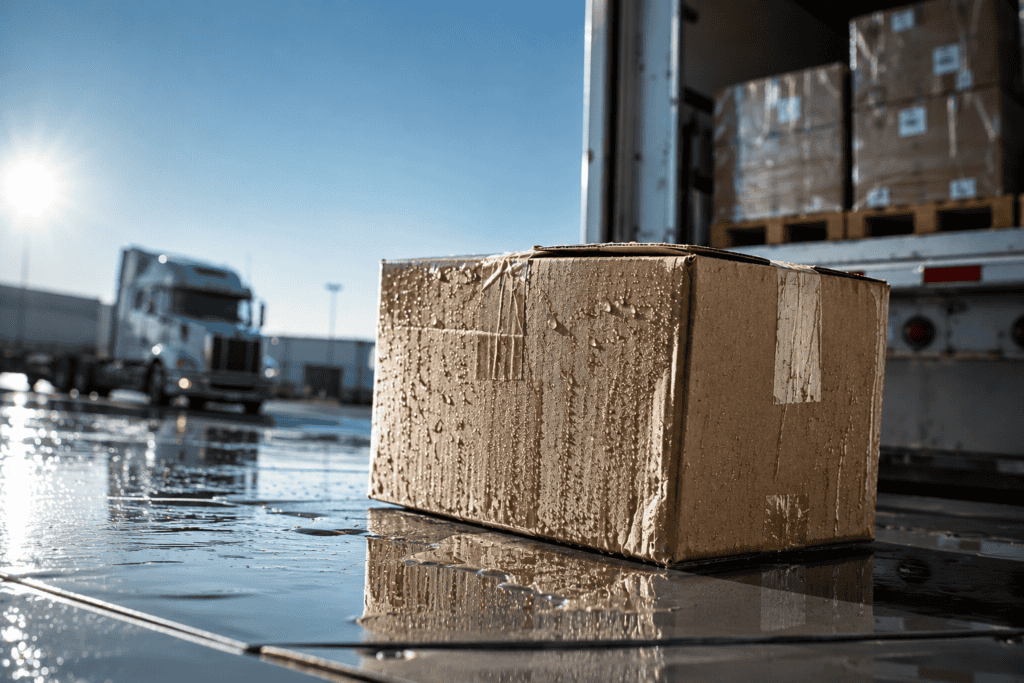
Voice of LTL documents what freight actually experiences between pickup and delivery and turns it into guidance shippers can use. Drawing on feedback from carriers, shippers, and dock operations, the program identifies the top systemic packaging failures across the network and publishes best practices to address them.
The guidance centers on three areas: how packaging affects density and class, what packaging must with stand in transit, and which practices prevent damage before it happens.
Most packaging decisions are made by people who have never seen the inside of an LTL terminal or dock. The program bridges that gap by documenting the handling forces that freight endures and making that knowledge accessible to the shippers and manufacturers whose decisions determine whether freight arrives intact.
Packaging Guidance
Non-binding best practices drawn from carrier, shipper, and dock feedback.
Density Best Practices
How tighter configurations can lower class, as long as protection keeps pace.
Learn more
Normal Rigors of LTL
The shock, vibration, and shifting forces packaging must withstand in transit.
Learn more
LTL Packaging Guide
General recommendations to help freight arrive intact and avoid cargo claims.
Learn more

‘