
Before students enter the freight industry, they should understand the principles and standards that support an efficient LTL industry.
NMFC Education and resources help higher-education Packaging programs introduce students to less-than-truckload (LTL) transportation and the National Motor Freight Classification® (NMFC)®—giving them foundational knowledge they can carry from the classroom into their careers.
By introducing students to guidance and educational resources supported by the NMFTA, along with hands-on access to ClassIT+®, students can explore why the NMFC matters, how freight classification works, and how these standards are applied across the LTL industry.
Build the Freight Knowledge Base Students Need Before They Enter the Industry.
Students may graduate with a basic understanding of packaging, supply chain, or transportation concepts without ever really understanding practical application and learning the importance of how the NMFC applies to the movement of LTL freight.
NMFC Education helps close that knowledge gap.
By introducing the NMFC as part of existing coursework, professors can help students understand:
What LTL transportation is and how it works

What the NMFC is and why is matters
The role freight classification plays in LTL transportation
How packaging characteristics can influence classification
How freight professionals access and use NMFC data
NMFTA’s role in developing and maintaining the NMFC
The goal is bigger than learning how to use a platform. It’s giving students a foundation in freight that helps prepare them to contribute when they enter the workforce.
Why the NMFC Matters
For more than 70 years, the NMFC has provided a common framework for classifying commodities moving through the LTL freight network.
Maintained by the National Motor Freight Traffic Association, Inc.® (NMFTA)®, the NMFC provides a standardized approach to freight classification that helps carriers, shippers, third-party logistics providers (3PLs), and other freight professionals communicate about the commodities moving through the LTL network. NMFC also creates a fair and common baseline that supports end user, shipper, and carrier interests for rating, best practices and claims functions.
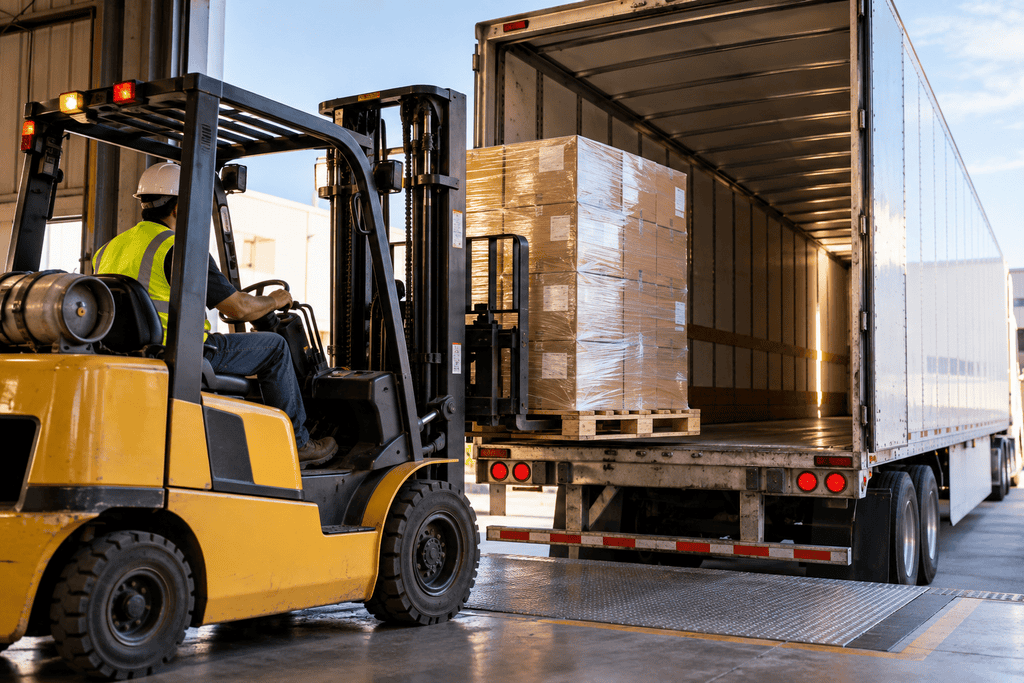
For students preparing to enter transportation and packaging careers, understanding the NMFC means understanding an important part of how LTL freight works.
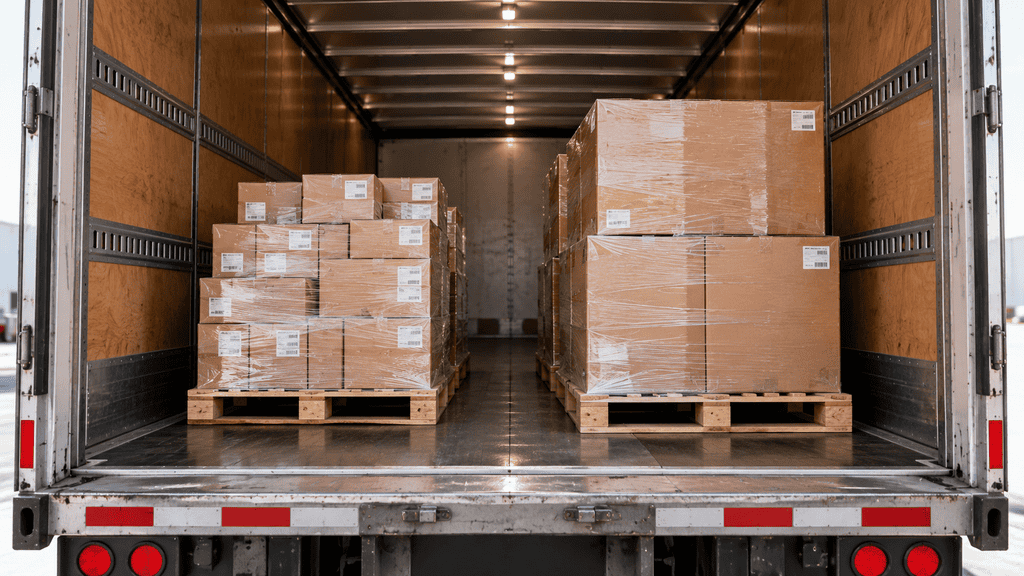
Learn what LTL is
Give students foundational knowledge of the LTL transportation environment and the role standards play within it.

Learn Freight Classification
Help students learn what freight classification is, why commodities are classified, and how classification connects to real-world transportation decisions.

Explore the NMFC
Introduce students to the standard itself, its role within the LTL industry, and the organization responsible for maintaining it.
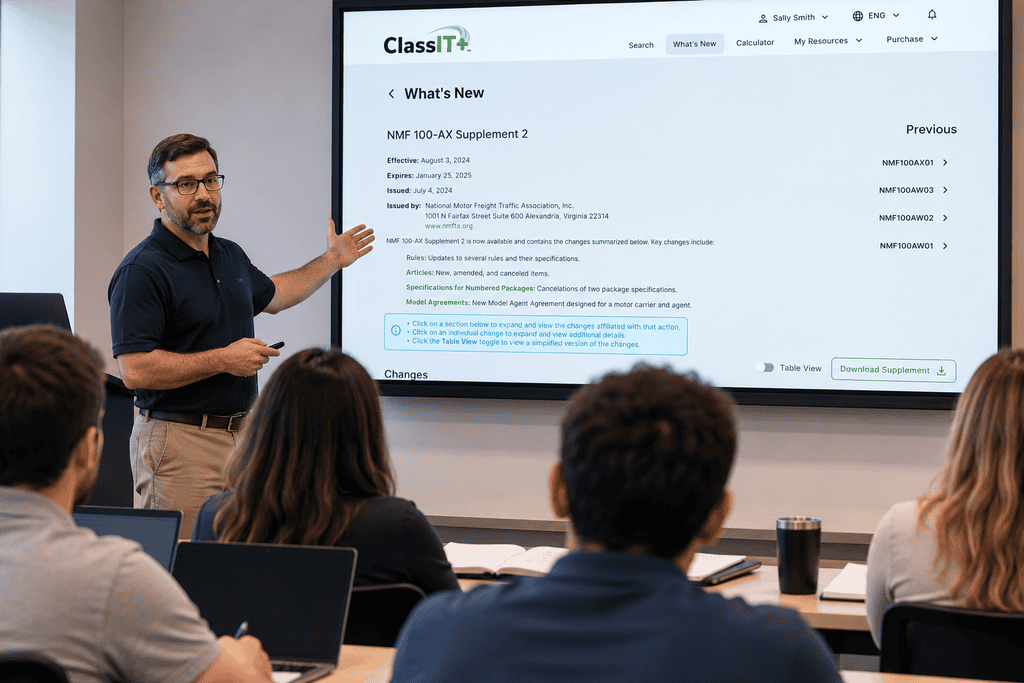
Apply What They Learn
Move beyond theory by giving students an opportunity to explore current NMFC Data through ClassIT+.
From Classroom Knowledge to Industry Knowledge.
When students encounter the NMFC for the first time after entering the workforce, employers have to start with the fundamentals.
NMFC Education moves that introduction into the classroom.
Students can enter internships and full-time roles already familiar with LTL, NMFTA, the NMFC, and the fundamentals of freight classification.
For NMFTA members and the broader freight industry, that means a stronger pipeline of emerging professionals with relevant industry knowledge from day one.
Connect Packaging Education to LTL Freight.
Packaging decisions have an impact long after a product leaves the facility. How freight is packaged, stacked, configured, and protected can affect its movement through the LTL transportation network and its condition upon delivery.
In LTL shipping, factors such as density, handling, stowability, and liability can influence freight classification. Understanding these relationships helps students see how packaging decisions connect directly to transportation, cost, efficiency, and product protection.
NMFC education gives professors practical resources for incorporating LTL freight concepts into existing coursework—helping students connect classroom principles with real-world freight classification and industry practices.
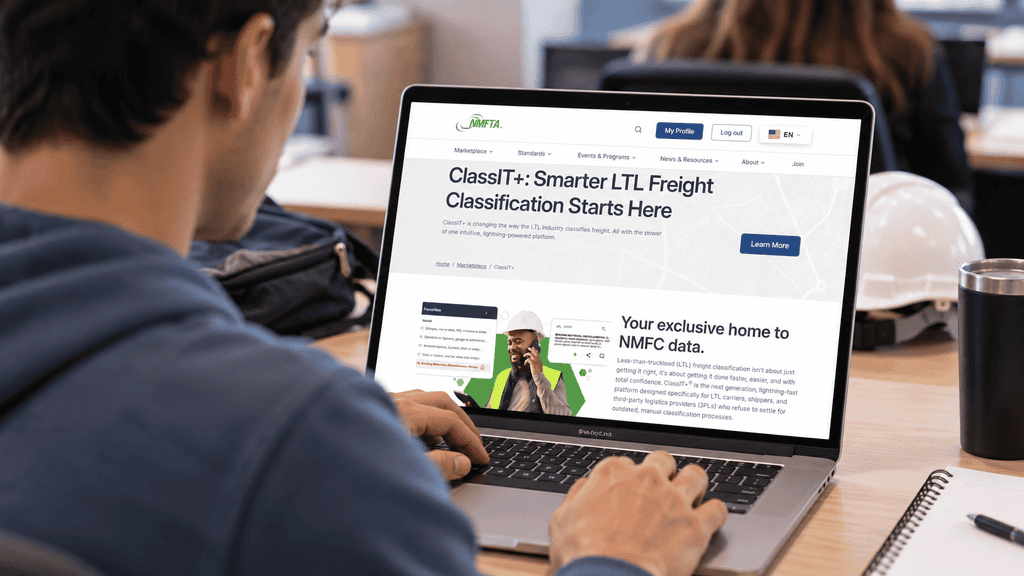
ClassIT+: A Tool for Teaching the NMFC
ClassIT+ is an important resource that allows students to put their understanding of fundamental NMFC and freight classification concepts into practical application.
ClassIT+ provides digital access to current NMFC Data, giving professors a meaningful way to demonstrate freight classification and allowing students to explore the NMFC in a professional platform.
Instead of learning classification only through static examples, students can see how NMFC information is organized, researched, and applied.
What Students Can Learn
Through NMFC Education, professors can introduce students to foundational concepts including:
- The role of LTL transportation in the freight industry
- The purpose and importance of the NMFC
- Fundamentals of freight classification
- The relationship between packaging and classification
- How to navigate and research NMFC Data
- How classification concepts apply to real-world freight scenarios
The role NMFTA plays in developing and maintaining freight standards.
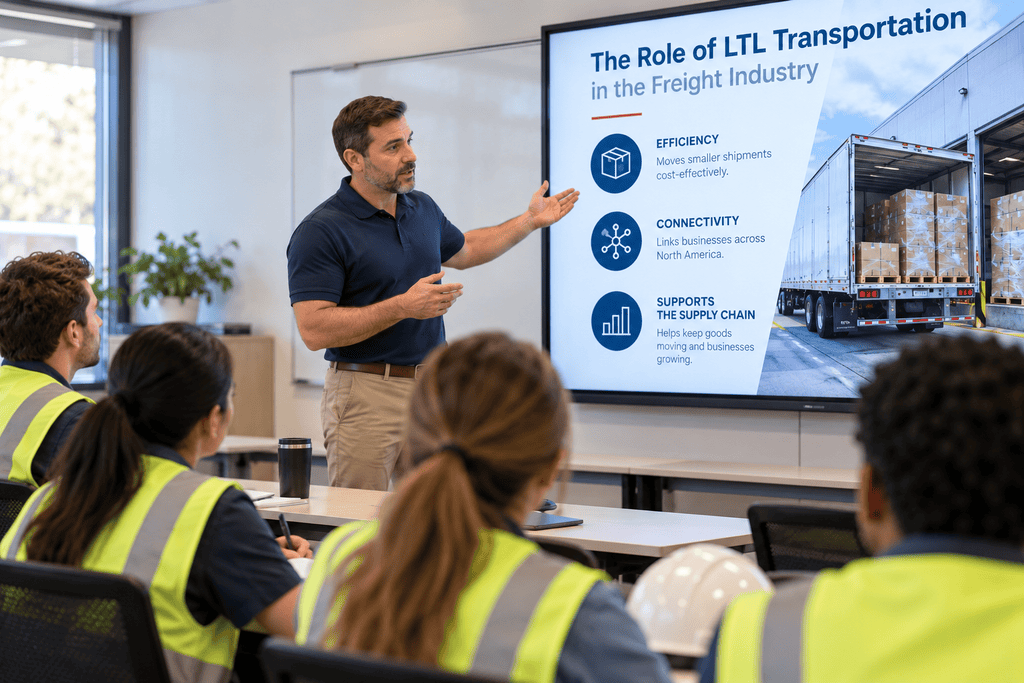

Designed for Packaging Programs
NMFC Education is designed for accredited Packaging departments and can complement courses such as:
- Distribution Packaging
- LTL Packaging Dynamics
- Protective LTL Packaging Design
- LTL Packaging Supply Chain
- LTL Packaging Decision Systems
- LTL Packaging Materials Handling
- LTL Packaging Development & Management
- Capstone Projects, Value Chain, and Distribution Dynamics
Professors can incorporate NMFC education into existing coursework without creating an entirely new course.
Bring an NMFC Expert Into Your Classroom
By strategically incorporating an NMFTA expert into the classroom as appropriate, it creates an opportunity for students to learn about the NMFC from people who work with freight standards every day.
Participating departments can request a guest lecture from an NMFTA packaging expert to help students explore LTL transportation, packaging, freight classification, and the role of the NMFC through an industry lens.

Resources and Support for Participating Departments
NMFTA Can Offer:
- Institutional, department-level access to ClassIT+
- Student seats based on the department’s licensing tier
- Access to current NMFC Data
- Professor-managed student access
- A named NMFTA contact for support
- The opportunity to request a guest lecture from an NMFTA packaging expert

Frequently Asked Questions
What is NMFC Education?
NMFC Education helps accredited Packaging departments introduce students to LTL transportation, freight classification, and the importance of the NMFC. Participating departments also receive ClassIT+ access so students can explore current NMFC Data and put classroom concepts into practice.
Why should Packaging students learn about the NMFC?
Packaging and transportation are closely connected. Understanding the NMFC gives students greater context for how commodities are classified in LTL transportation and how packaging characteristics can relate to classification.
It also introduces students to an industry standard they may encounter throughout their careers in packaging, transportation, logistics, or freight.
What is ClassIT+’s role in the program?
ClassIT+ is a practical teaching tool within NMFC Education. It gives students access to current NMFC Data so they can explore freight classification concepts using a professional platform rather than relying exclusively on static classroom examples.
Is this a certification?
No. NMFC Education provides educational resources and institutional access to ClassIT+. It does not award academic credit, a certificate, degree, or professional credential.
Who is eligible?
The program currently supports accredited Packaging departments at eligible universities.
Can ClassIT+ be incorporated into an existing course?
Yes. The program is designed to complement existing Packaging coursework rather than require departments to create a separate course.
How long does access last?
Access is issued annually.
Who manages student access?
The professor manages student access once the department has been approved and activated.
What support does NMFTA provide?
Participating departments receive a named NMFTA contact to support onboarding and access throughout the term.

Prepare Students to Understand the Freight Industry Before They Enter It
Give students more than exposure to another industry tool. Help them understand what LTL is, why the NMFC matters, how freight classification works, and the role NMFTA plays in keeping freight moving.
That knowledge can help prepare the next generation of professionals—and give the freight industry a stronger workforce to hire from.