Density Often Determines Freight Class. Here’s How to Optimize for That.
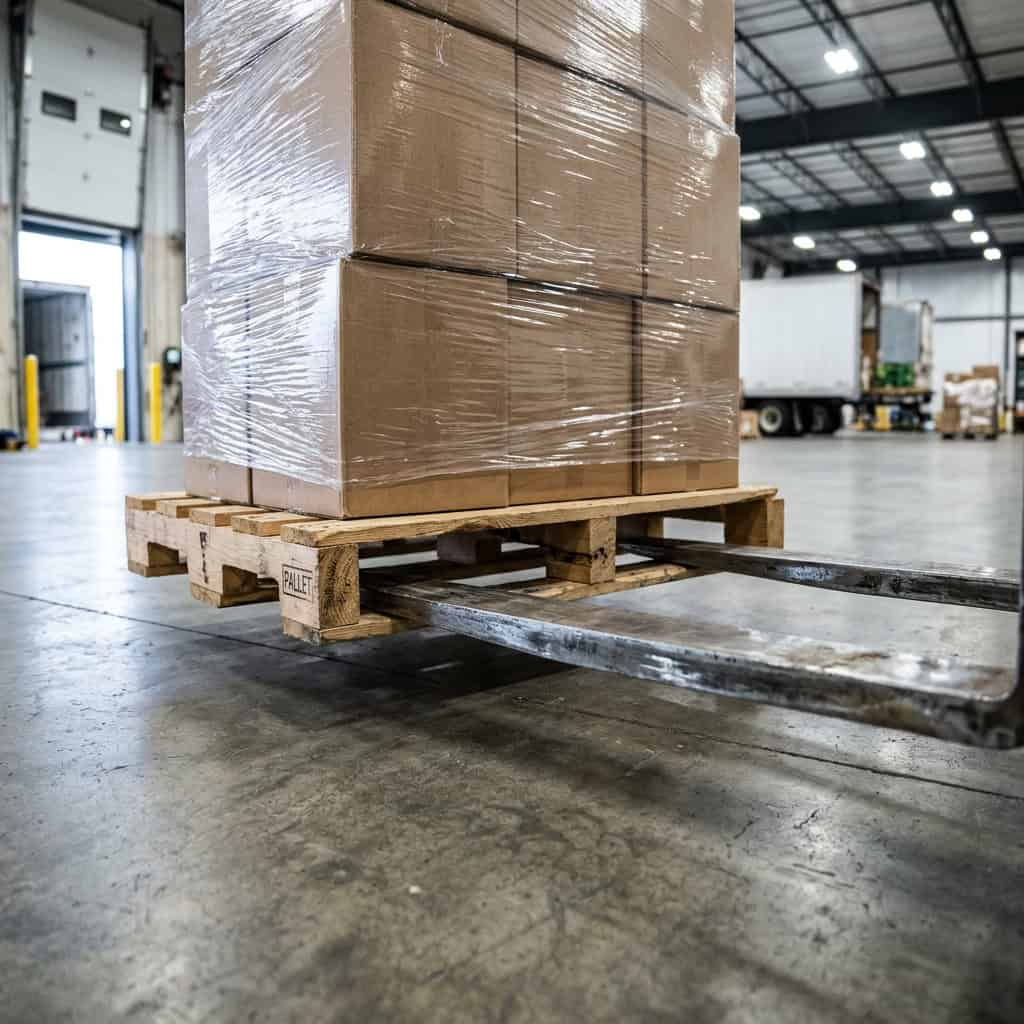
Most shippers assume freight class is something that happens to them, a number the carrier assigns and the invoice reflects. For a large share of National Motor Freight Classification® (NMFC)® item numbers, this view is not complete. Freight class for density-based items is calculated from the condition of the shipment as tendered, which means it is the direct result of decisions made long before the freight reaches the dock: how a product is shaped, how it’s packaged, how a pallet is built, how a shipment is configured.
Most of those decisions are made by people who aren’t thinking about freight class at all. A packaging engineer selecting cushion thickness. A logistics manager building a pallet pattern. A product team specifying a box size years ago and never revisiting it. Each choice moves density up or down, and density is what the NMFC uses to assign class.
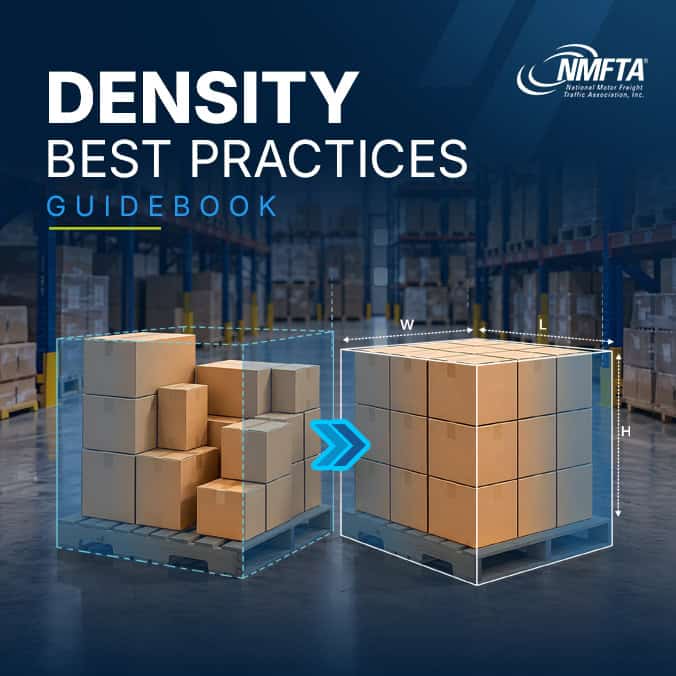
This guidebook helps packaging engineers and logistics managers evaluate those decisions while balancing classification, product protection, and handling needs.
Inside the guidebook, you’ll learn how to:
- Identify where product, packaging, and pallet configurations create unused space.
- Evaluate changes to box and pallet dimensions using worked examples.
- Understand when consolidation can improve the density of a handling unit.
- Check measurements and documentation against the shipment as tendered.
- Use a practical action framework to review opportunities with your team.
These best practices paper walks through how that works, from the product itself outward through packaging, pallet, and shipment. It covers bounding box efficiency, how product and box orientation can shift freight class without touching the product at all, why protective packaging specs may drift out of alignment with current transit conditions, where pallet consolidation genuinely helps density and where it doesn’t, and operational risks like dock dimensioner tolerances that can undo an otherwise well-optimized configuration before it ever reaches a class calculation.

Check Your Freight Density
Use the free calculator below to find the pounds per cubic foot (PCF) of a box, pallet, or handling unit. Enter its weight and outside dimensions as tendered for shipment, including any projections. The result tells you density; determining the applicable freight class also requires the correct NMFC item and its provisions.