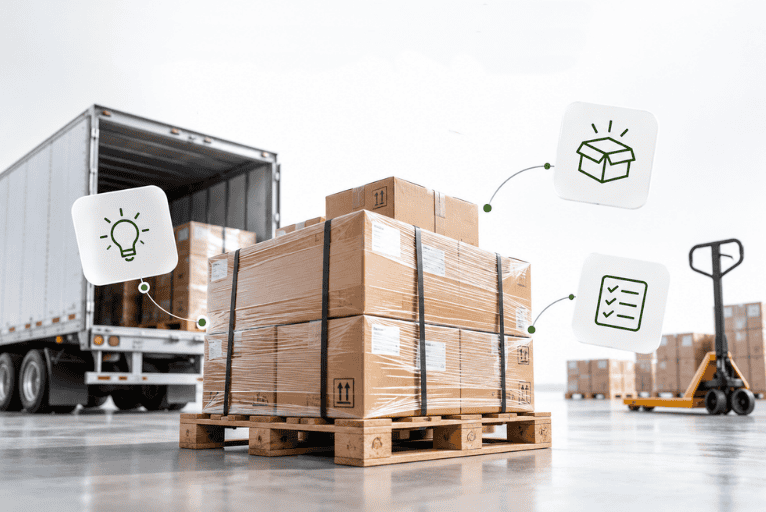
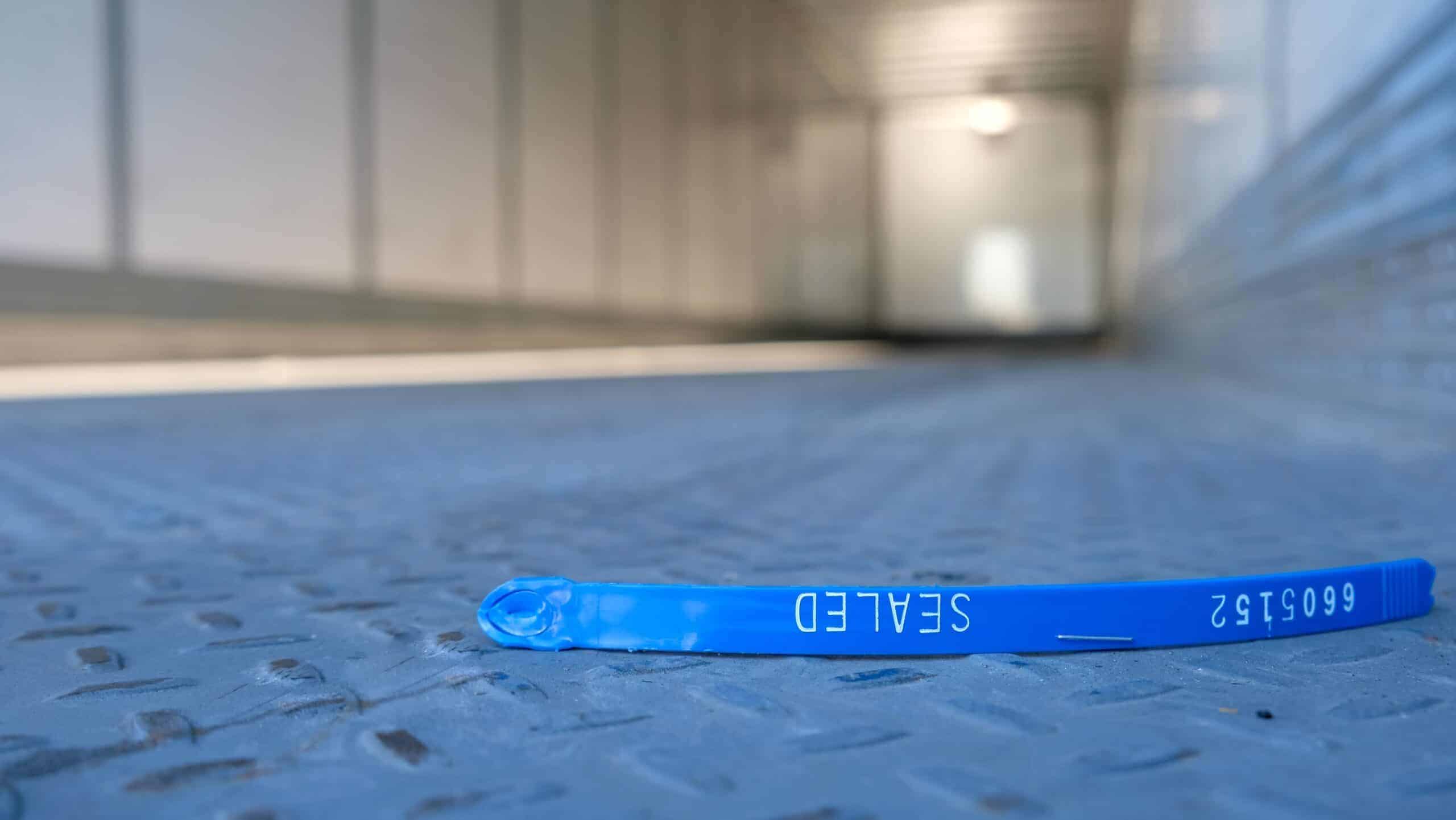
Picture this: a driver shows up to pick up a load. The paperwork looks right. The carrier name checks out. The load gets handed over… and then, it disappears. No real carrier. No real driver. Just a criminal network that knew exactly how to look legitimate long enough to walk away with someone’s freight.
That’s not a rare horror story anymore. It’s Tuesday.
Cargo theft has changed. The guy cutting a trailer padlock in a dark parking lot still exists, but he’s not the main threat. Today’s organized theft rings run like a business with recruiters, logistics coordinators, forged documents, and digital storefronts to move stolen goods before anyone files a police report. They operate across state lines and international borders, which means no single sheriff’s department or state agency can touch them. And until now, the federal government hasn’t had the right tools to connect the dots.
That’s starting to change. On May 12, 2026, the U.S. House passed the Combating Organized Retail Crime Act (CORCA) H.R. 2853 by a vote of 348 to 60. It now heads to the Senate, where more than 200 stakeholders are pushing hard for a quick vote.
Here’s what it does, why it matters, and what your business needs to know.
What the Bill Actually Does
CORCA’s big move is creating a new federal coordination center inside the Department of Homeland Security. Think of it as a hub where federal, state, and local law enforcement can finally pool their information; because right now, a theft ring can steal in Texas, fence the goods in California, and have the money in Mexico before the agencies in any of those states have compared notes.
The center should be up and running within 90 days of the bill becoming law. The goal:
- Coordinate investigations across federal agencies targeting organized theft networks;
- Connect federal investigators with state and local law enforcement so cases don’t get siloed;
- Share threat intelligence with private sector partners, including freight carriers, brokers, and retailers; and
- Help train local agencies that are trying to fight organized crime but don’t have the resources;
- Track theft trends and publish annual public reports, creating an ongoing available record of how organized theft is evolving.
Beyond the coordination center, CORCA also strengthens the legal tools prosecutors need to go after criminal networks that move stolen goods across borders, closing the jurisdictional loopholes these groups have exploited for years.
Why Cargo Theft Is a Bigger Deal Than Most People Realize
Let’s put some numbers on it.
Cargo theft costs the trucking industry more than $18 million every single day, about $6.6 billion a year, according to the American Transportation Research Institute (ATRI). And that’s not mostly smash and grab. The fastest growing threat is something called strategic theft: criminals who use fake identities, forged carrier credentials, and double-brokering scams to simply redirect an entire shipment to their own dock. That type of fraud has gone up 1,500% since 2021.
Think about what that means in practice. A broker posts a load. A criminal creates a fake carrier profile (real-looking DOT number, fake address, stolen company name) and picks it up. The legitimate carrier never even knew the load existed. The shipper’s freight is gone. And by the time anyone figures out what happened, the goods are already moving through an online marketplace.
And the problem doesn’t stop at freight. These criminal networks use cargo theft proceeds to fund drug trafficking, weapons smuggling, and other organized crime. The freight industry isn’t just a victim here, it’s a target in a much bigger criminal ecosystem.
What It Means for You
CORCA isn’t a compliance bill. It’s not going to land in your lap with new forms to fill out or regulations to follow. What it does is change the enforcement environment around your business.
If you’re a carrier, a federal coordination center with real data sharing capability means that the fraudulent carrier identity that showed up on a load board last week has a better chance of getting flagged, investigated, and shut down (instead of just cycling to the next victim). The bill targets the networks that impersonate legitimate carriers. That matters directly for your reputation and revenue.
If you’re a broker, the intelligence sharing piece of CORCA is the most relevant part. Right now, vetting carrier identity in real time is hard, and the information you need to catch a fraudulent carrier before you hand over a load is scattered across systems that don’t talk to each other. A federal coordination center that shares threat data with private sector partners could start to close that gap.
If you’re a shipper, the bottom line is simple: better federal coordination means fewer loads disappearing into the void, lower insurance costs over time, and less supply chain disruption. These theft rings operate with near impunity right now. CORCA is designed to change that.
If you work in law enforcement, you’ve probably felt the frustration of chasing a case that crosses into another jurisdiction and goes cold. CORCA’s coordination center is built specifically for that problem. As one prosecutor put it during congressional testimony: “Without a database, we are not going to be able to connect the dots.” CORCA builds the database.
Legislation Alone Won’t Fix This
A law is only as good as the information behind it. The coordination center CORCA creates will be powerful, but it runs on data which will have to come from the industry. Federal investigators can build cases when they have the dots to connect. The people on the ground (dispatchers, brokers, carriers, shippers) are the ones who see the dots first.
That’s where reporting matters, and it matters to the right channels.
If you’ve been hit, here’s where to go:
- Cyber-enabled cargo theft: fictitious carriers, spoofed emails, fraudulent load board postings, file a complaint at with the FBI’s Internet Crime Complaint Center at www.IC3.gov.
- Physical cargo theft with insurance implications, call NICB at 800-TEL-NICB. They work directly with law enforcement and have active investigators on cargo crime.
- Any theft; notify local law enforcement first. A police report is the foundation everything else is built on.
Those are your investigation channels. They exist to pursue cases.
The NMFTA Threat Report Portal does something different. We take what’s happening at the operational level; the new tactics, the emerging scams, the patterns that show up across carriers before they show up in a federal database, and we turn it into intelligence the whole industry can use. When you tell us what you’re seeing, we get the word out. That warning that stops the next carrier from falling for the same scheme? It starts with someone who already got hit deciding to share what happened.
So here’s what we’re asking:
- If you’ve seen a new tactic, share it anonymously. You don’t have to have all the details. Tell us what happened, how it looked, and what tipped you off; or what you wish had tipped you off.
- Get ahead of the bad actors. Before an incident is always better than after. Know what fraudulent carrier setups look like. Know what a double-brokering scheme smells like before your freight is already gone.
- Train your team on what’s current. The tactics evolve fast. Industry sourced, real-world examples are more useful than a generic compliance checklist- and that’s what the Portal provides.
- Watch the Senate. CORCA still needs to clear the upper chamber. If you want to see this become law, make sure your industry associations know you’re paying attention.
Where NMFTA Stands
We support CORCA and want to see it signed into law. The less-than-truckload (LTL) freight industry has been dealing with increasingly sophisticated theft networks without a federal partner equipped to match them and that’s cost our members and stakeholders real money, loads, and peace of mind.
But we’re not waiting for a bill signing. NMFTA’s Freight Fraud Prevention Hub and the Threat Report Portal is operating now, tracking developments, educating the industry, and building the kind of awareness that makes federal enforcement actually work when it arrives.
We’ll keep you posted as the Senate moves on S. 1404. In the meantime… know your exposure, protect your identity, and report what you see.